Marigny / Bywater
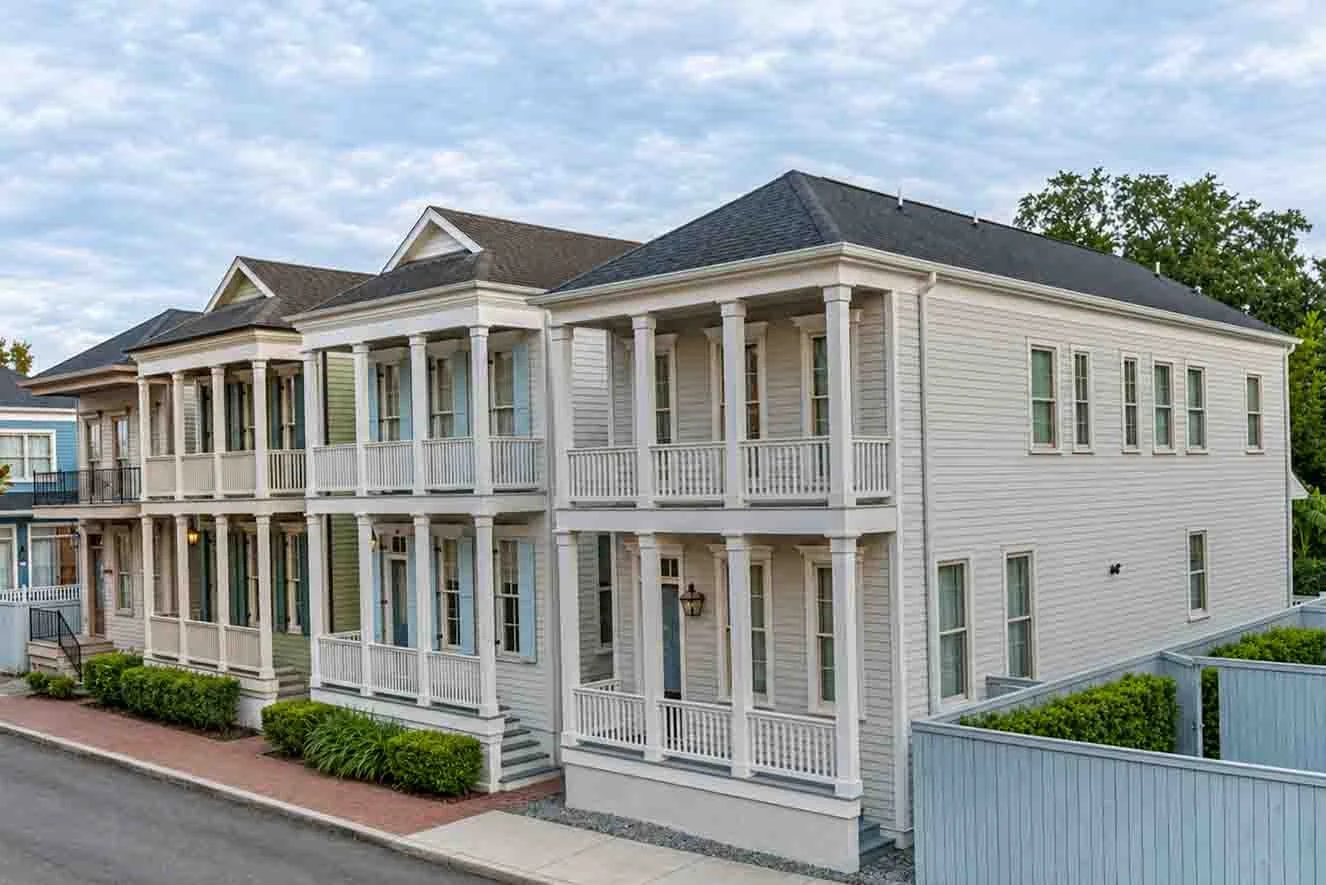
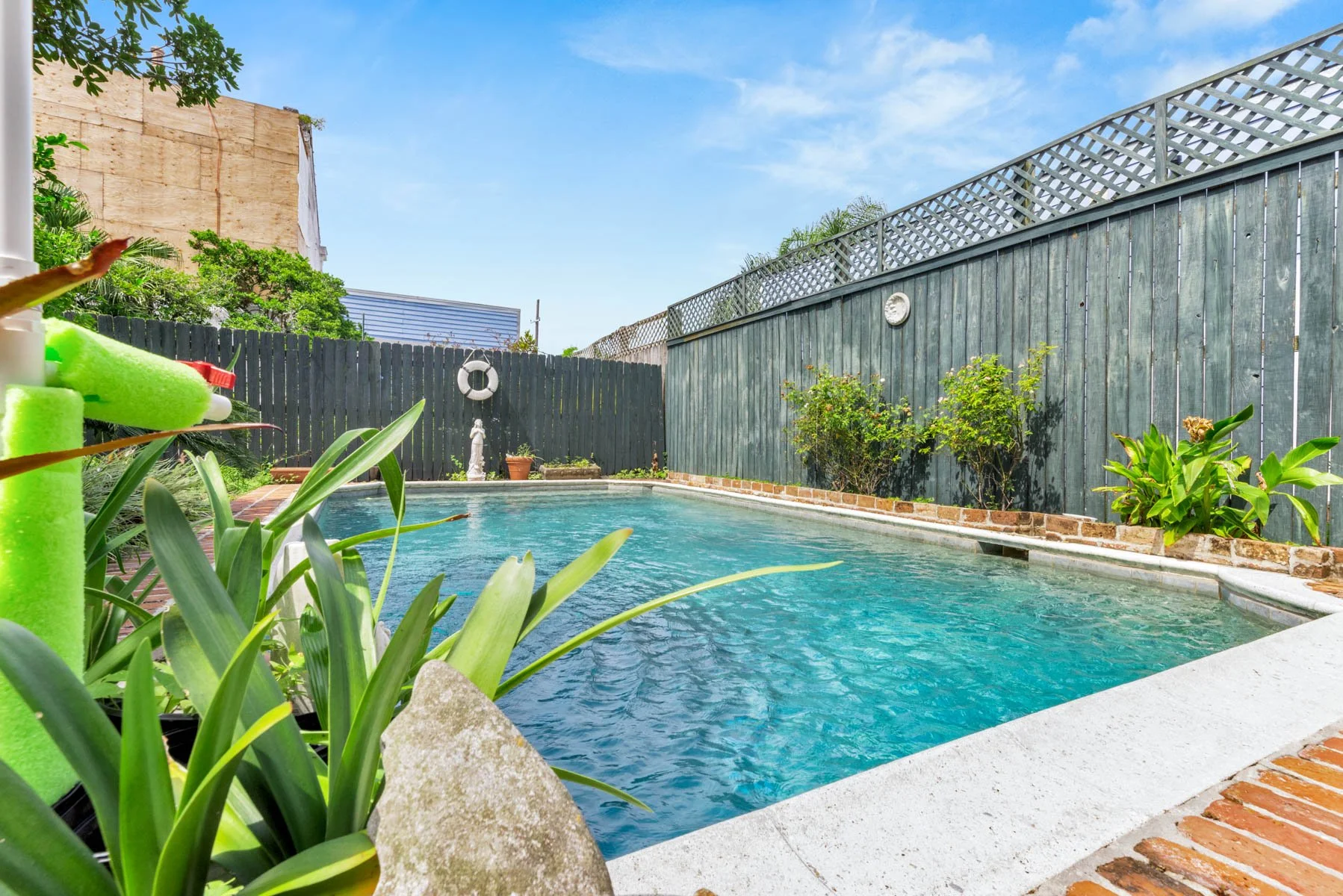
Just downriver from the French Quarter, the Marigny and Bywater pair 19th-century cottages with live music on Frenchmen Street and a park along the Mississippi.
The Homes:
Colorful shotgun houses, Creole cottages and Greek Revival side-halls line these streets, many built in the 1800s. You'll also find renovated corner stores, converted warehouses and newer construction on the Bywater's industrial edge.
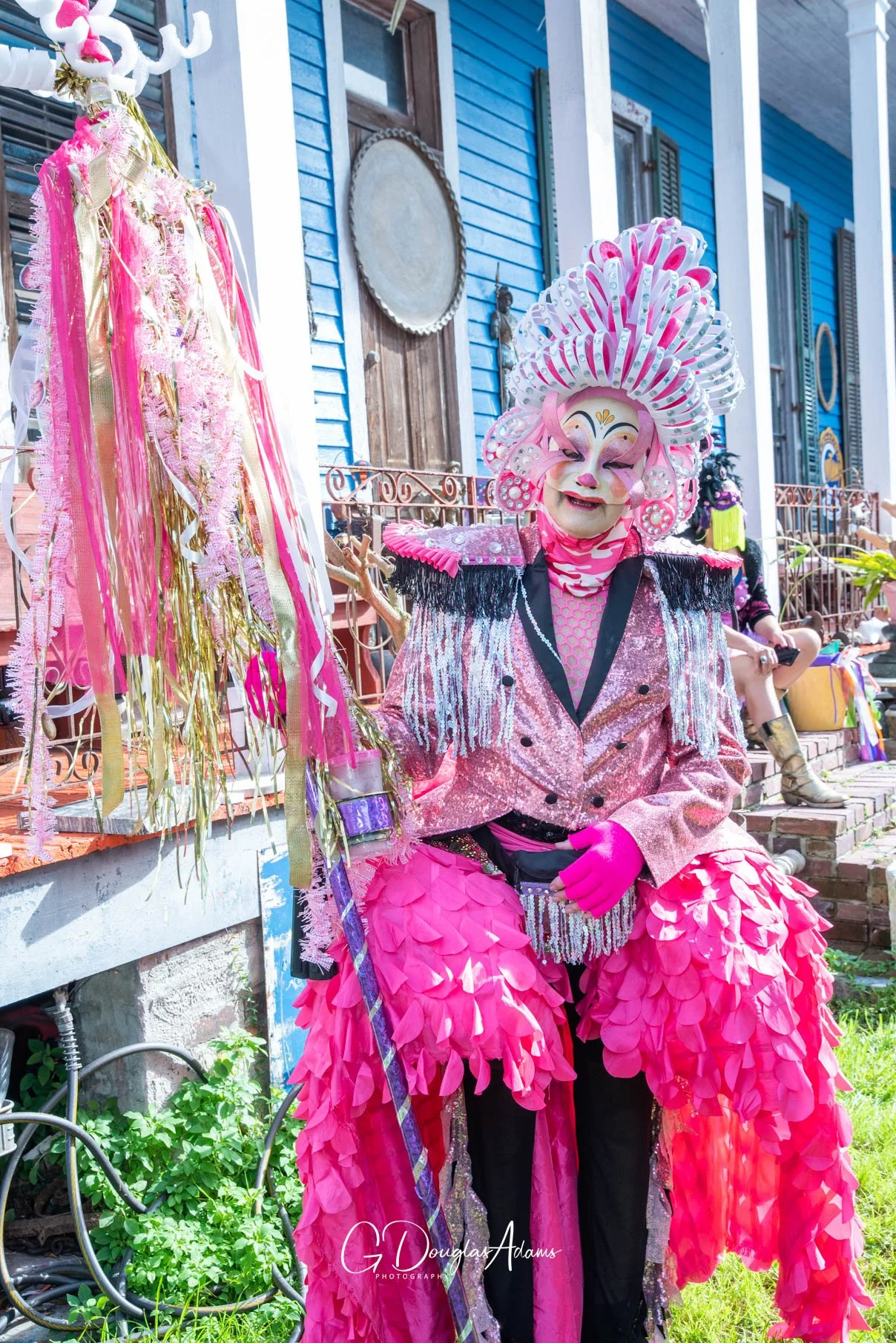
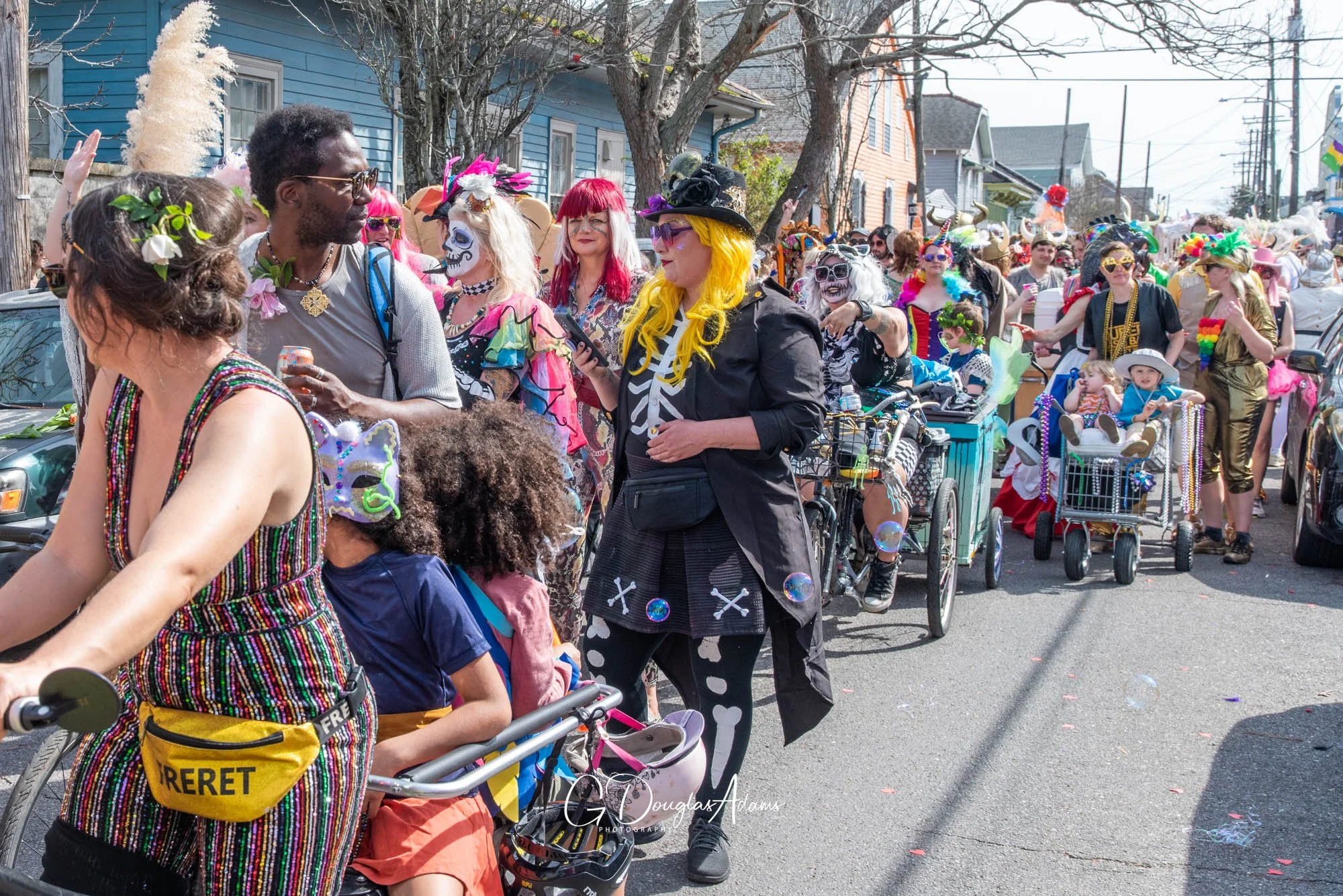
Living in the Marigny and Bywater also means having much of the neighborhood's culture within walking distance. Independent coffee shops, neighborhood restaurants, bars, galleries and artisan shops are woven into the residential streets rather than concentrated in a single commercial district. During Carnival, the annual St. Anne parade brings elaborate costumes and a distinctly neighborhood celebration through the area, while year-round destinations along Frenchmen Street, St. Claude Avenue and the Mississippi River connect daily life here to music, food, art and the broader culture of downtown New Orleans.
Before You Buy:
Much of both neighborhoods sits within local historic districts, where exterior work needs approval from the Historic District Landmarks Commission. Short-term rental rules are strict in residential areas, and older homes deserve a close look at foundations and wiring. I help you check all three before you make an offer.
The tradeoff is that these protections help preserve the architecture and streetscape that make Marigny and Bywater distinctive, but they can also add time, cost and limitations to a renovation. Knowing what has already been permitted, what may require approval and what an older property may need can be just as important as the asking price.
Life here moves at a walking pace. Neighbors gather at Washington Square Park, the music on Frenchmen Street starts early and runs late, and Crescent Park gives the Bywater a riverfront path to the edge of the Quarter.
These are neighborhoods of artists, musicians and people who fell for an old house and restored it themselves. I help buyers find the right one, and I help sellers present a home in a way that respects the work that went into it.
Questions Buyers Ask About Bywater and Marigny
-
Yes. Both are local historic districts overseen by the New Orleans Historic District Landmarks Commission. Exterior changes, demolition and new construction usually need Commission review before work begins. How strict that review is depends on the district and on how the building is rated, so I check both before you make an offer.
-
Not in most cases. In residential districts, the city allows one short-term rental license per block face, chosen by lottery, and the operator has to live on the property. Some commercial and mixed-use zones follow different rules. If rental income matters to you, I confirm the zoning and the current license status of the block before you write an offer.
-
Most of both neighborhoods sit on the natural high ground along the river, part of what locals call the "Sliver by the River." The blocks nearest the river stayed largely dry after Hurricane Katrina. Elevation drops as you move away from the river, so flood zones and insurance costs change from block to block. I pull the flood zone for every address and suggest getting an insurance quote early.
-
Creole cottages, shotgun singles and doubles, camelbacks and Victorian-era homes, many dating to the 1800s. You'll also find warehouse and corner-store conversions and newer infill homes built to fit the historic blocks. Many shotgun doubles have been converted into single-family homes.
-
Both neighborhoods are walkable and close to the French Quarter. Frenchmen Street's music clubs are in Marigny, and Crescent Park runs along the riverfront in Bywater. Restaurants, galleries and corner bars are spread through the residential blocks. Some streets get lively at night, so I recommend visiting a home both on a weekday and on a weekend evening.