French Quarter
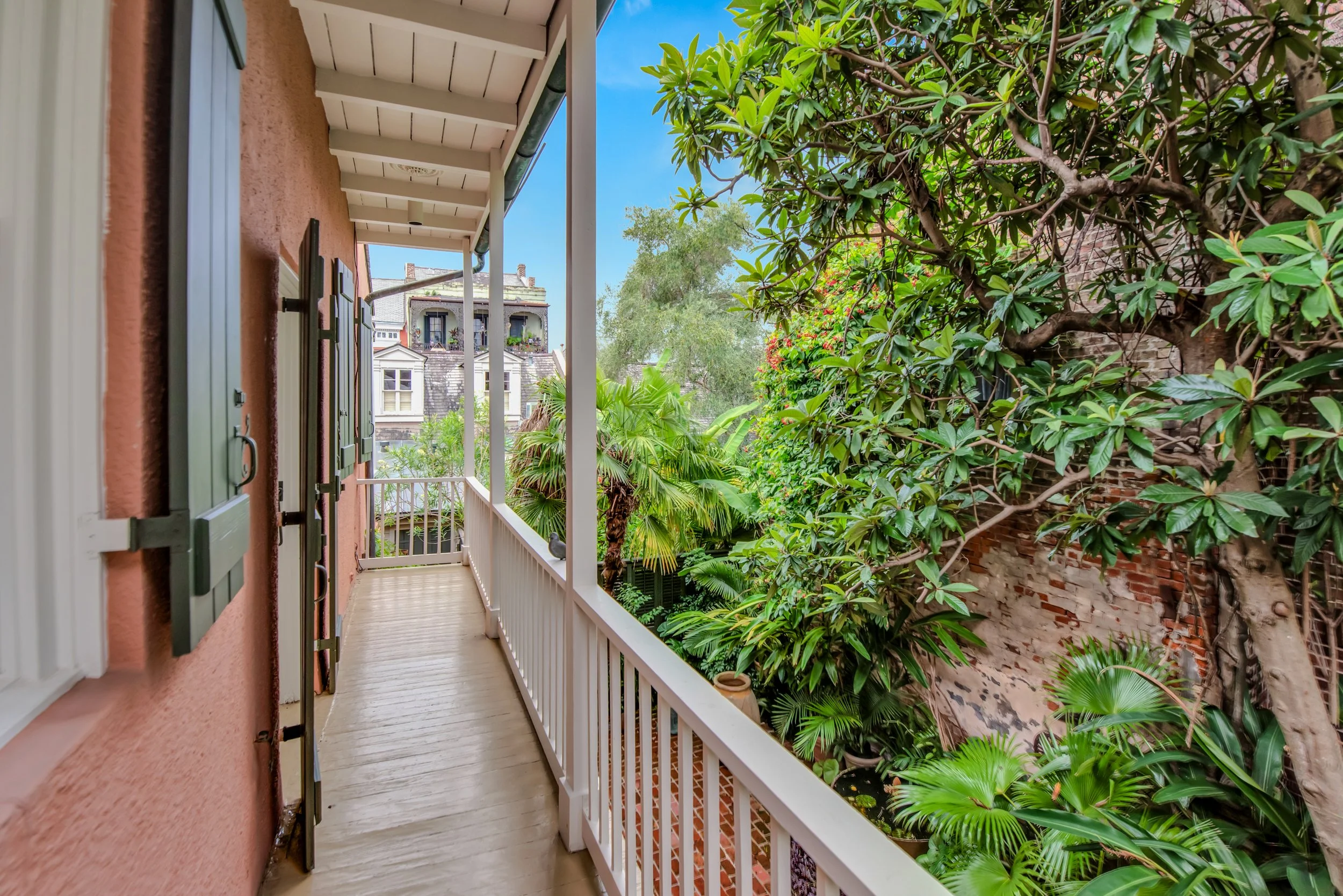
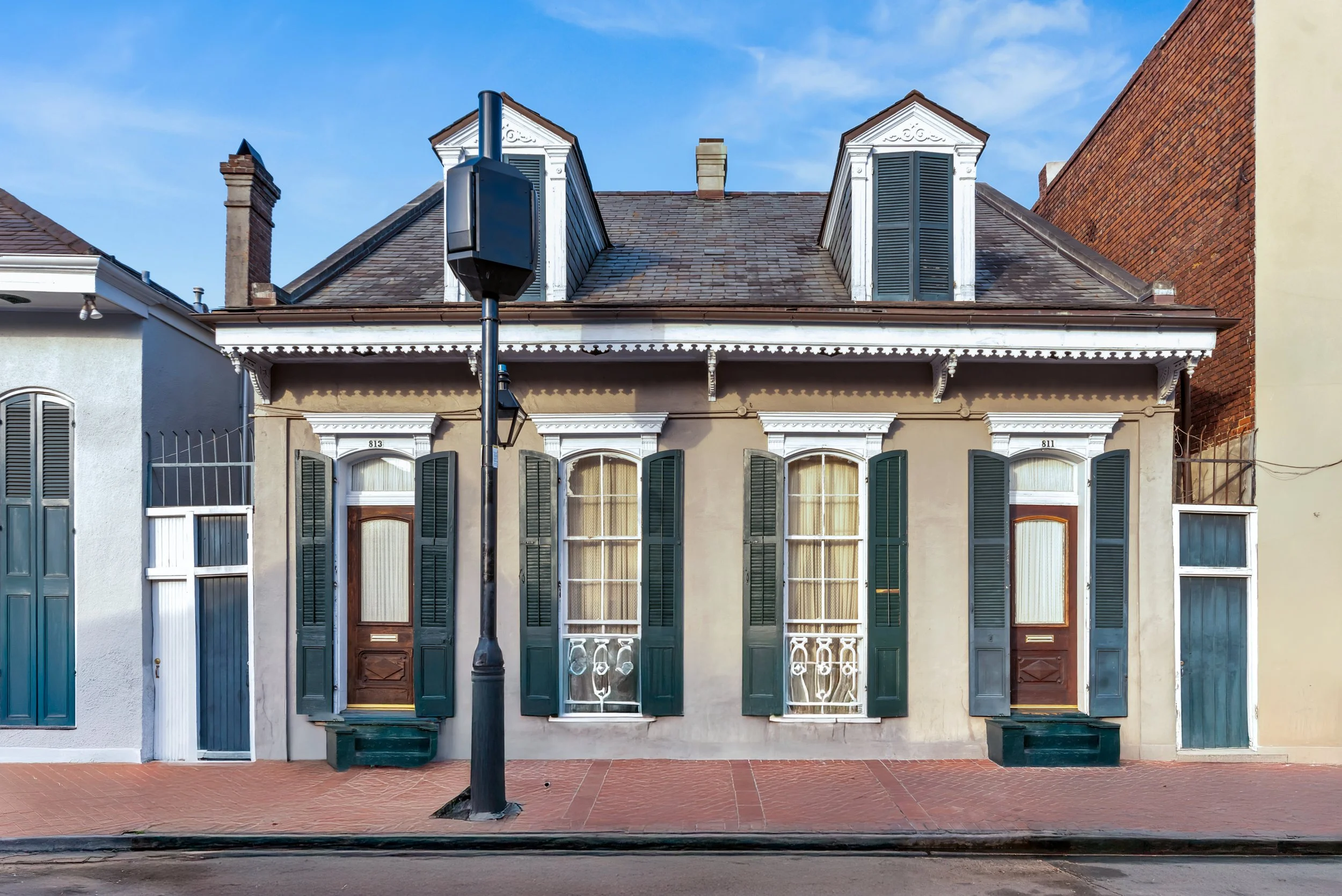
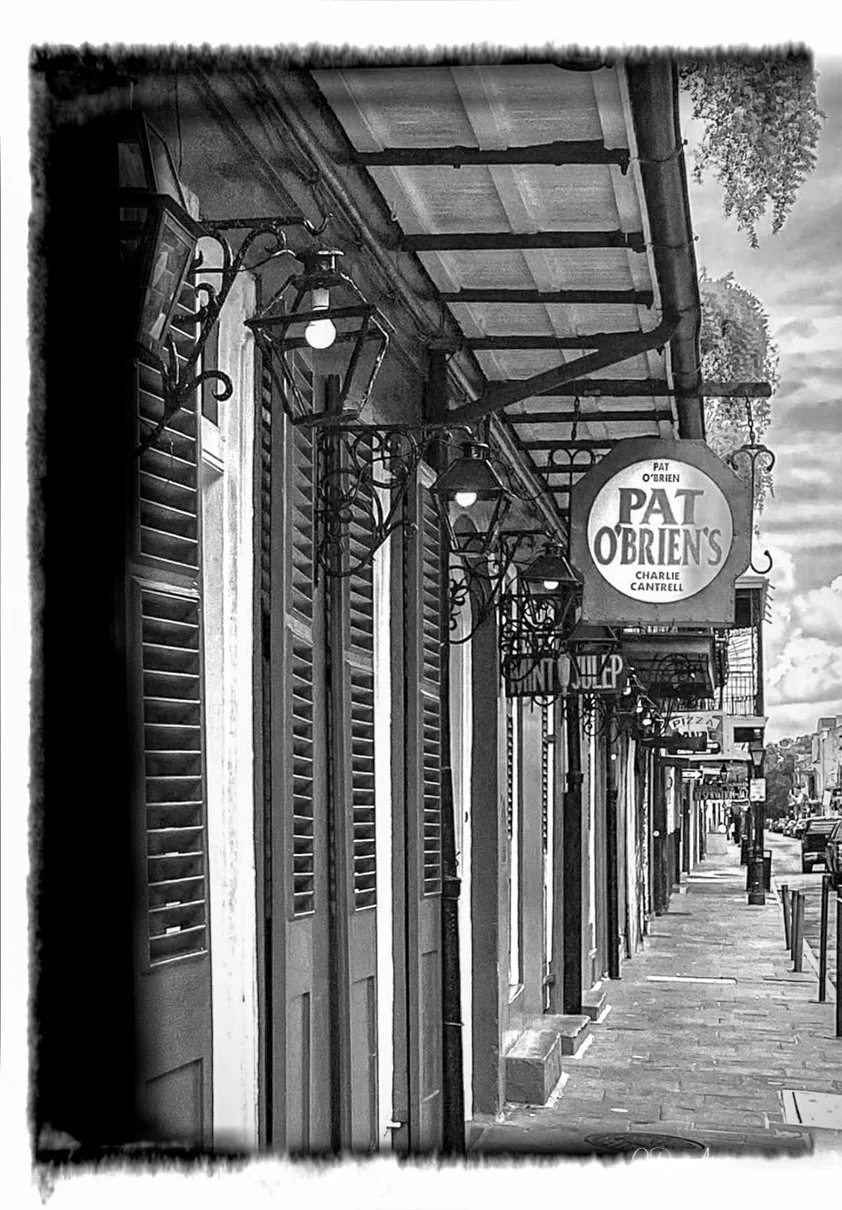
Just a few steps from Bourbon Street, every French Quarter address places you at the center of New Orleans, with restaurants, galleries, music, architecture, and neighborhood landmarks just outside your door.
The Homes
Creole cottages, Creole townhouses and carriage houses, many built in the early 1800s, share these blocks with condominiums carved from historic buildings. Behind plain street fronts, you'll often find private courtyards, galleries and gardens you'd never guess were there.
Before You Buy
Exterior changes in the Quarter must be approved by the Vieux Carré Commission, from paint colors to windows. Many properties are condominiums with their own association rules, and short-term rental rules are strict. I help you understand all three before you make an offer.

People who live in the French Quarter know it differently than people who visit it. On the residential blocks toward Esplanade, mornings are quiet, neighbors know each other, and the grocery, the coffee shop and the river are all a short walk away.
I photograph and sell homes here because they reward a careful eye. At 625 Dumaine Street, the story was a modest Creole cottage from the street and one of the most private courtyards in the Quarter behind the gate. Helping buyers see what a French Quarter home really offers is the part of this work I enjoy most.
Questions Buyers Ask About the French Quarter
-
Yes. Exterior changes in the French Quarter, from paint colors to windows, shutters and roofing, must be approved by the Vieux Carré Commission before work begins. I walk buyers through what the Commission reviews so there are no surprises after closing.
-
Short-term rental rules in the French Quarter are strict, and many residential addresses there are not eligible for a permit. Whether a property qualifies depends on its zoning, and many condominium associations add their own limits. If rental income matters to you, I check both before you make an offer.
-
The French Quarter sits on some of the oldest and highest ground in New Orleans and stayed largely dry after Hurricane Katrina. Flood zones and insurance costs still vary from one address to the next, so I check the flood zone and recommend getting an insurance quote early.
-
Creole cottages, Creole townhouses and carriage houses, many built in the early 1800s, along with condominiums carved from historic buildings. Behind plain street fronts you'll often find private courtyards, galleries and gardens.
-
Read the association's rules, budget and recent meeting minutes. They set what you can change inside your unit, whether pets and rentals are allowed, and what repairs may be coming. Exterior work on the building also goes through the Vieux Carré Commission.